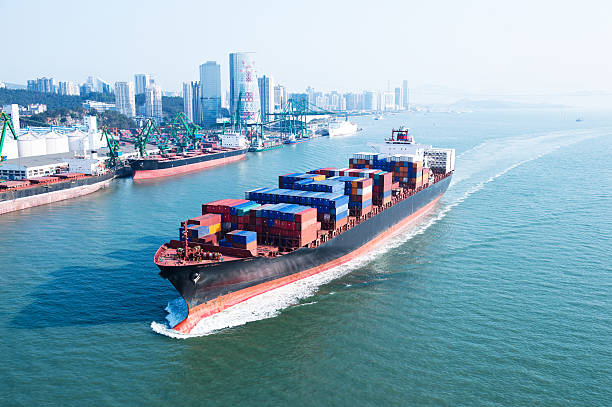
China remains a critical hub in global manufacturing, but it also presents complex risks that can disrupt your operations and damage your brand. For international companies, corporate investigations in China have become an essential strategy to protect supply chains, ensure compliance, and avoid costly mistakes.
Why Supply Chain Risk in China Is Increasing
Global supply chains are under growing pressure due to geopolitical tensions, regulatory changes, and operational risks. Recent developments show that China has introduced stricter supply chain security regulations, increasing scrutiny on foreign companies and adding new layers of legal risk.
At the same time, research highlights that greater supply chain transparency significantly reduces financial and operational risk, reinforcing the importance of proper investigation and verification.
For companies sourcing from China, the risks are not theoretical, they are immediate and evolving.
Common Risks in Chinese Supply Chains
Businesses that fail to conduct proper international due diligence often encounter serious issues. These include:
- Fraudulent suppliers or shell companies
- Intellectual property theft
- Poor product quality or inconsistent standards
- Regulatory non-compliance and legal exposure
- Sudden supply disruptions or contract breaches
China’s vast and complex business environment makes it difficult to verify partners without local expertise. In many cases, suppliers may misrepresent their capabilities or operate through intermediaries, creating hidden vulnerabilities.
The Role of Corporate Investigations
Corporate investigations go beyond basic background checks. They provide in-depth intelligence on suppliers, partners, and business environments. This includes verifying ownership structures, financial stability, operational capacity, and reputation.
At Wymoo®, corporate investigations are designed to give clients a clear and accurate picture of who they are doing business with. These services help uncover hidden risks before they impact your operations.
Investigations may include:
- Supplier due diligence and verification
- Background checks on company directors
- Litigation and compliance research
- Monitoring for fraud or unethical practices
By identifying red flags early, companies can avoid financial losses and reputational damage.
Key Steps to Protect Your Supply Chain
To minimize risk, companies should adopt a proactive approach. Key steps include:
- Conduct thorough due diligence before engaging any supplier
- Verify company registration, ownership, and operations
- Investigate the main representative’s background and reputation
- Monitor suppliers continuously for changes or risks
- Work with experienced investigators who understand the local environment
These steps are essential in a market where transparency can be limited and risks are often hidden beneath the surface.
Why Corporate Investigations Are Essential Today
Supply chain disruptions, regulatory pressure, and fraud risks are increasing across global markets. In China, these challenges are amplified by evolving laws and limited access to reliable information.
Corporate investigations provide a critical layer of protection by replacing uncertainty with verified intelligence. They allow businesses to make informed decisions, strengthen compliance, and maintain operational continuity.
For companies relying on Chinese suppliers, the question is no longer whether to conduct investigations, but how thoroughly they are done.
Wymoo specializes in international due diligence investigations, helping businesses secure their supply chains and reduce risk. If your company depends on suppliers in China, now is the time to request a confidential investigation quote and get started. Professional investigations can be the difference between a secure partnership and a costly mistake.
C. Wright
© Copyright Wymoo International. All Rights Reserved. This content is the property of Wymoo International, LLC and is protected by the United States of America and international copyright laws. Wymoo® is a registered trademark.